
Succession Readiness: Looking Beyond the Name on the List
Key Insights
- Start with "what," not "who": Before naming a successor, define the culture, priorities, and leadership style your organization will need over the next three to five years.
- Stop hunting for heroes: Leaders who succeed through personal expertise often become bottlenecks in complex, fast-changing environments. Readiness requires shifting from solving problems to enabling others.
- Test readiness under pressure: A strong track record only proves someone can do their current job. True succession readiness is revealed through "heat experiences," acting roles, and feedback from several people around the leader.
- It isn't just for the C-suite: While CEO transitions make headlines, the same pattern can occur when a key department head, technical lead, or people manager departs. Building leadership capacity at every level is how organizations stay resilient.
Why Nvidia’s CEO exit raises a succession question for every organization
On November 12, Nvidia's board announced that its co-founder and CEO of 33 years, Jensen Huang, had resigned, effective immediately. The chief financial officer became interim CEO, and the board began a search that includes outside candidates. The announcement put a familiar question in front of the public: who leads next, and how ready are they?
The effects reached well beyond one company. Nvidia's shares fell as much as 14% in early trading on November 12 and closed the day down 4.3%. Other AI-related companies also fell sharply in morning trading: CoreWeave dropped 9.5% and Nebius Group fell 18.4%. Because Nvidia accounts for more than 6% of the S&P 500, one expert noted that succession risk at a company of that size becomes a portfolio risk for millions of investors.
While a Fortune 500 CEO departure makes front-page news, the underlying vulnerability isn't unique to the C-suite. Every organization has critical roles—from department heads and product leads to frontline managers—where an unexpected exit can stall momentum overnight.
HR.com asked four leadership experts to weigh in on the Nvidia transition, including Agile Leadership Journey Founder and CEO Pete Behrens. You can read their perspectives in
What Nvidia CEO's Exit Says About Succession Readiness. Below, we unpack Pete's insights for building succession readiness at every level of the organization before a sudden change forces the issue.
The risk of hunting for the next hero
Pete warns against what he calls "hunting for the next hero." Organizations that do this look for the strongest expert or the leader who delivers the most results. Pete told HR.com, "Heroes can succeed at small scale, but at larger scale they tend to collide."
The reason, Pete explains, comes down to how complexity changes the leadership job:
"Many leaders rise because they're the expert or the one who drives results. Those strengths work in stable conditions, but become limits when complexity and change are constant."
These leaders earned their positions. Expertise and a drive for results work best when the answers are known. When uncertainty is constant, the same strengths can make a leader the person every decision must pass through.
The shift from solving problems to enabling others
To avoid that bottleneck, Pete argues that the most important leadership shift is moving from the person who solves and directs to the person who creates the conditions for others to lead. He describes what that looks like in practice:
"When a critical leadership role operates in that kind of uncertainty, the shift that I think matters most is from the person who solves and directs to the person who creates the conditions for others to lead: bringing the right people together, asking better questions, and setting down the cape."
Pete also told HR.com that organizations must be honest about "which kind of leadership their future requires," and whether they are developing it. Those that build that capacity broadly stop relying on a single name on a succession slide. That honesty is a responsibility for leadership teams and boards, who are accountable for making sure succession planning is sound long before a sudden departure forces the question.
How should a succession search begin?
A succession search should begin with what the organization needs to become, not with who is currently available. Succession planning is usually treated as a talent-matching exercise: a search for the right person. For a role with no named successor, Pete begins one step earlier:
"There's no formula here, and I've been called out in workshops for saying 'it depends' too often. But it does depend, starting with where the organization is headed. Succession planning is usually framed as a question of who. Before asking who, I'd ask what this organization needs to become, and what it needs to leave behind, in culture, values, and priorities. That tells you what kind of leader to look for. The right successor is the one who can lead that organization, rather than replicate the one who leads it today."
A search that starts from the current leader's profile tends to produce a similar leader. Starting from the organization's strategic direction leads to a much better question:
what will this organization need from its leadership over the next several years?
What development experiences best prepare emerging leaders for uncertainty?
Heat experiences are high-pressure moments where the path forward isn't clear and leaders are forced to stretch beyond their existing playbook. Every organization needs leaders who can work through uncertainty, so they have to be developed through experiences with real stakes.
Pete points to heat experiences as a way to build that capacity. He explores the concept with Jasmine Keel in
Episode 3 of the Relearning Leadership podcast, "The Future Leader" as an engine for this growth:
"There's no formula here, and I've been called out in workshops for saying 'it depends' too often. But it does depend, starting with where the organization is headed. Succession planning is usually framed as a question of who. Before asking who, I'd ask what this organization needs to become, and what it needs to leave behind, in culture, values, and priorities. That tells you what kind of leader to look for. The right successor is the one who can lead that organization, rather than replicate the one who leads it today."
To turn these moments into real leadership capacity, Pete recommends three practices:
- Place more of these moments in the path of emerging leaders. Stretch assignments create the pressure, and deliberate reflection turns it into learning.
- Surround people with honest voices. Emerging leaders need peers, mentors, and others around them who will tell them the unvarnished truth.
- Make room to try, get some things wrong, and discuss them openly. Mistakes should be shared and examined as openly as wins.
The third practice depends heavily on the example set by senior leaders. As Pete puts it: "If an organization celebrates only successes, it teaches future leaders to play it safe."
How can you tell whether a successor is truly ready?
Readiness shows in how a person leads when the answers are unclear, not in how well they perform their current role. Promoting someone into the unknown always carries risk, which is why Pete separates a ready successor from a promising one this way: "A strong track record tells you someone is excellent at the job they have. Readiness shows in how they lead when the answers aren't clear."
When evaluating a potential successor, look for the shift from expert to enabler: "Do they develop other people, or become the bottleneck? Do they seek honest feedback and learn openly from a mistake, or protect their image?"
Rather than assuming readiness based on past performance, Pete recommends putting it to the test: "Test it with real exposure, such as acting in the role or leading something new, and gather input from several people around them, not just their boss."
Input from peers, direct reports, and cross-functional partners can help reveal how a candidate leads under pressure in ways their direct manager may not always see.
What should you do when no successor is named?
Succession readiness isn't reserved for boardrooms. It belongs to every leader responsible for a team or critical function. Whether you are planning for a C-suite transition or a key manager role, five practical steps can start immediately:
- Define the leadership the next three to five years will require. Include what the organization should keep and what it should leave behind.
- Develop leadership broadly. Help many people build the ability to create the conditions for others to lead, so succession does not depend on a single name.
- Create real exposure. Use acting roles, new initiatives, and stretch assignments paired with structured reflection.
- Collect input from many people. Ask peers, teams, and partners how a person leads when conditions are uncertain, rather than relying solely on their manager's view.
- Talk openly about mistakes. Share what went wrong and what was learned as readily as the wins, so future leaders feel safe to try new things.
None of this requires a crisis to begin. The organizations that weather sudden transitions best are the ones that built broad leadership capacity well before they needed it.
Continue the conversation
Developing leadership capacity across a team is the work we do with executive and leadership teams. To see how it could work for yours, explore our programs for leadership teams.
About the Author
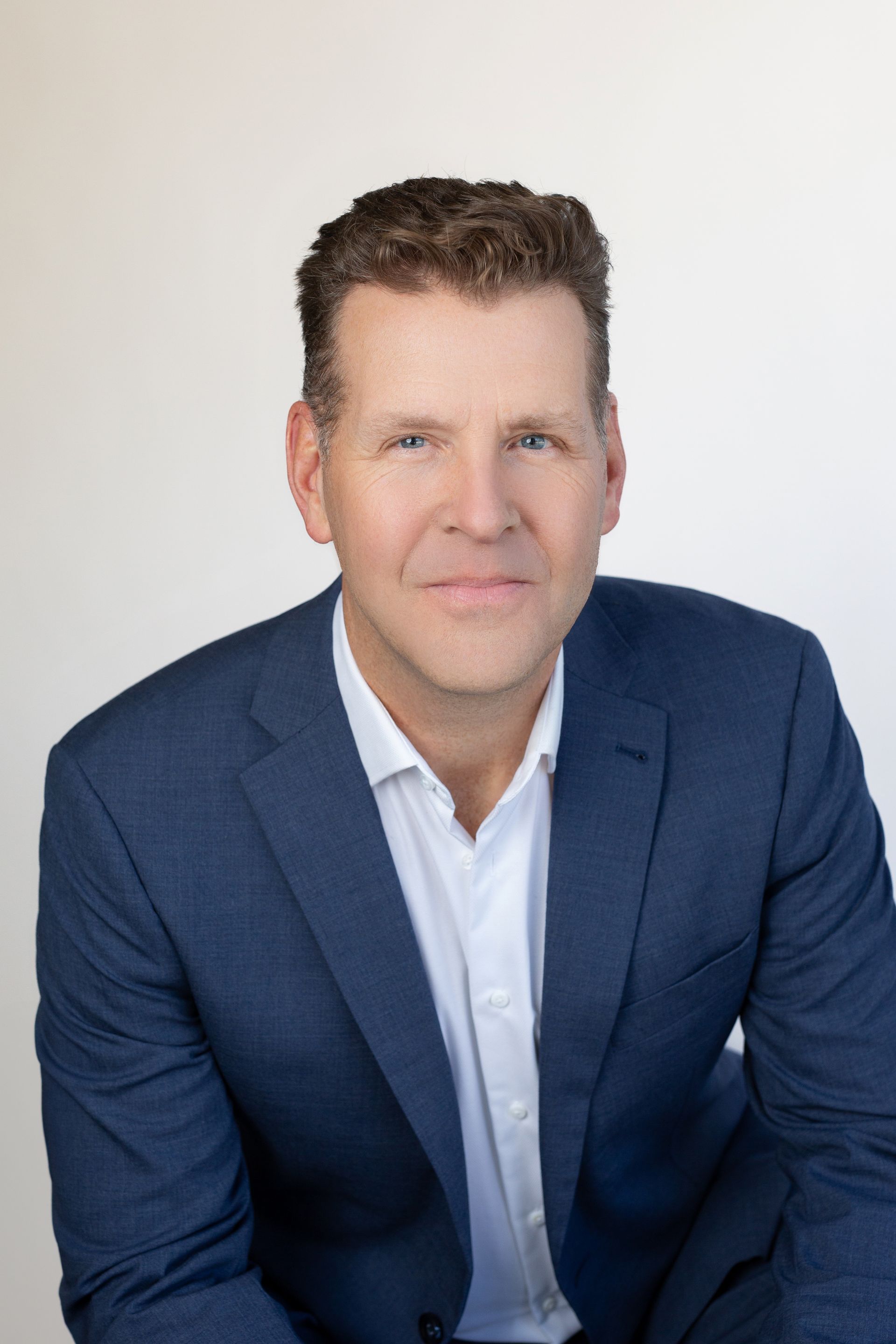
Pete Behrens is a globally recognized leadership coach, consultant, author, and keynote speaker. As the founder and CEO of Agile Leadership Journey, he has built a curriculum and global community dedicated to helping organizations improve leadership that drives sustainable change. Pete has led agile transformations for dozens of Fortune 500 companies and non-profit organizations, improving organizational health and performance through education and coaching.
An influential speaker, Pete has shared his insights at various global conferences, and he hosts the Relearning Leadership podcast, where he engages with industry experts and leaders to explore the evolving landscape of leadership and organizational development. Most recently, he published his debut book, Into the Fog: Leadership Stories from the Edge of Uncertainty.
Sources:
Damodaran, Deepa. What Nvidia CEO's Exit Says About Succession Readiness. HR.com, November 16, 2026.
Market figures:
Kiplinger and
SF Standard, November 12, 2026.